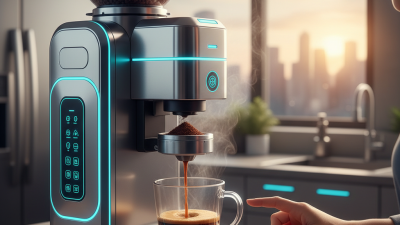
How to Choose a Robotic Barista Coffee Machine?
Choosing a Robotic Barista Coffee Machine is no longer a futuristic exercise. It is a practical investment decision.
The International Federation of Robotics reported 541,302 industrial robot installations worldwide in 2023. Its World Robotics 2024 service-robotics report also recorded nearly 205,000 professional service robots sold during the same year. These figures show wider acceptance of automation. However, they do not prove that every café needs a robot. Coffee service remains local, emotional, and highly dependent on customer expectations.
Look beyond the moving arm.
A suitable Robotic Barista Coffee Machine should deliver consistent extraction, stable milk temperature, reliable cleaning, and clear maintenance alerts. Check its hourly capacity during morning peaks. Examine cup sizes, ingredient storage, water filtration, payment integration, and emergency stop access. A beautiful demo can hide expensive downtime. I have seen technology choices judged by appearance rather than service recovery. That mistake deserves more attention.
Richtech Robotics founder and CEO Matt Von has described the company’s approach as using robots to “enhance the human experience, not replace it.” This perspective is useful, although buyers should verify the original statement and its context. It also raises an uncomfortable question: will customers value speed if the interaction feels cold?
This guide compares automation quality, operating costs, software support, hygiene procedures, and staff training. The best machine is not always the most advanced. It is the one that performs reliably beside real people, during real rushes, with real maintenance limits. Consider the numbers carefully. Then watch the machine make one hundred drinks before trusting the brochure.
What Is a Robotic Barista Coffee Machine?
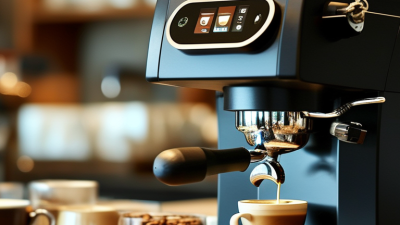
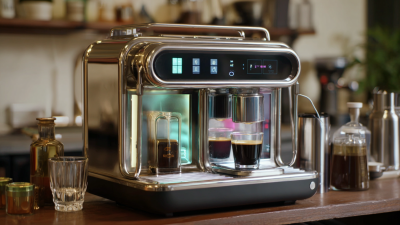
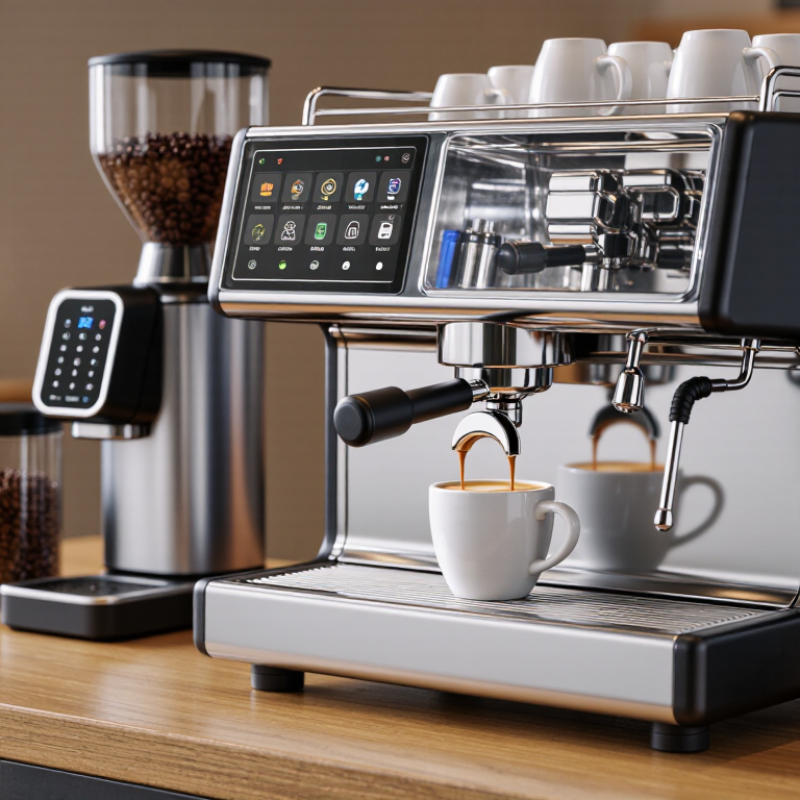
A robotic barista coffee machine is an automated system that prepares coffee with limited human assistance. It may grind beans, measure doses, extract espresso, steam milk, and deliver the drink through a controlled workflow. Some systems also accept digital orders and clean their brewing components automatically.
The concept is becoming more relevant as coffee demand remains strong. The International Coffee Organization reported global coffee consumption of about 177 million 60-kilogram bags in 2023/24. In the United States, the National Coffee Association’s 2024 survey found that 67% of adults drank coffee during the previous day. These figures suggest steady demand, but demand alone does not justify automation. A buyer should examine extraction consistency, milk-temperature control, cleaning time, and staff training.
Watch the workflow closely.
In practical testing, the machine should produce similar espresso shots during busy periods. It should also pause safely when beans, water, or milk run low. ISO 13482 provides a useful safety reference for personal-care robots, although not every coffee machine fits its scope perfectly. That limitation matters. A robotic barista is not simply a robot with a coffee recipe; it is a food-service appliance operating near people. The International Federation of Robotics reported 553,052 industrial robot installations in 2022, showing wider acceptance of automation, but coffee service has different hygiene and customer-experience demands. I would still question any system promising fully autonomous operation without daily inspection. A small mistake in calibration can change flavor quickly.
How to Assess Brewing Features and Coffee Quality
When choosing a robotic barista coffee machine, inspect its brewing controls carefully. A capable system should offer adjustable grind size, coffee dose, water temperature, and pre-infusion time. These settings influence extraction more than appearance does. Look for stable brewing temperatures, ideally around 90–96°C for espresso. Consistent pressure and accurate tamping also matter. Small changes can produce a sharp or watery cup.
Test the machine with the same fresh beans several times. Brew at least three shots and compare their aroma, body, sweetness, and aftertaste. Good coffee should taste balanced, not simply carry a thick layer of crema. Check whether the grinder produces an even texture. Uneven grounds may create bitterness and sourness in the same cup. Milk performance deserves attention too. Fine microfoam should look glossy and feel smooth, without large bubbles.
I once judged a machine by its quiet movement and attractive crema. That was a mistake. Taste revealed a flat, over-extracted espresso. My evaluation also missed an important detail: cleaning access. Coffee oils build up quickly around the group head and grinder. Choose a machine with removable, washable parts and clear maintenance instructions. Convenience is useful, but it should not hide weak extraction. Repeated testing is necessary. One excellent cup may be luck.
How to Compare Automation, Customization, and Ease of Use
Choosing a robotic barista coffee machine requires more than watching a fast espresso pour. Automation should reduce repetitive work, not create new monitoring tasks. The International Federation of Robotics reported 541,302 industrial robot installations worldwide in 2023. However, café equipment faces heat, milk residue, water variation, and constant customer changes. Ask how the machine detects errors, cleans internal lines, and recovers after a failed order. Speed looks impressive. Reliability matters more.
Customization reveals the machine’s real value. The National Coffee Association’s Spring 2024 report found that 67% of American adults drank coffee in the past day. Customers may request extra milk, less ice, stronger coffee, or alternative temperatures. Compare recipe control, portion accuracy, ingredient compatibility, and menu-editing time. A machine with many settings may still frustrate staff. Too much choice can become operational noise. I would test five common drinks during a busy service, then inspect consistency, waste, and preparation steps.
Tips: Watch a live demonstration, not a promotional video. Time cleaning, refilling, and error recovery. Ask for maintenance records from comparable locations. Check whether staff can learn basic operation within one shift. Also, challenge the sales data. Published performance figures often reflect controlled conditions, not a crowded counter. A short pilot may expose weaknesses that specifications hide.
How to Choose a Robotic Barista Coffee Machine?
Comparing Automation, Customization, and Ease of Use
The comparison uses a 0–100 evaluation scale. Automation measures how many preparation steps can be completed automatically, customization reflects control over drink parameters such as dose, grind, temperature, milk, and serving size, and ease of use reflects the number of operator actions required for routine service. Robotic barista systems generally provide the highest automation, while traditional machines offer more hands-on control.
How to Evaluate Capacity, Footprint, and Maintenance Needs
How to Choose a Robotic Barista Coffee Machine?
Capacity should match your busiest service period, not your average morning. A small office may need 40 drinks daily, while a hotel lobby can exceed 150. Check the machine’s hourly output, ingredient storage, and recovery time between orders. A machine with two milk containers may reduce refills during rushes. However, larger storage can increase waste when demand changes. I have seen teams overestimate daily volume and pay for unused capacity.
Footprint affects workflow more than many buyers expect. Measure the counter, service clearance, power access, and space for cleaning tools. Leave room behind the unit if technicians need access. A narrow machine may still feel bulky when customers gather around it. Watch the cup drop area, too. Poor placement creates spills and slows collection. Maintenance needs deserve equal attention. Ask how often nozzles, grinders, milk lines, and waste trays require cleaning. Daily rinsing is simple, but neglected milk pathways can create hygiene risks and unpleasant flavors.
Tips:
Request a maintenance schedule before purchase. Test refilling with full ingredient containers. Time a complete cleaning cycle. Check whether staff can remove parts without special tools. Keep a small record of errors, cleaning, and refill frequency. Real usage may challenge the supplier’s estimates. That is useful evidence.