What is a Robotic Coffee Bar and How Does It Work
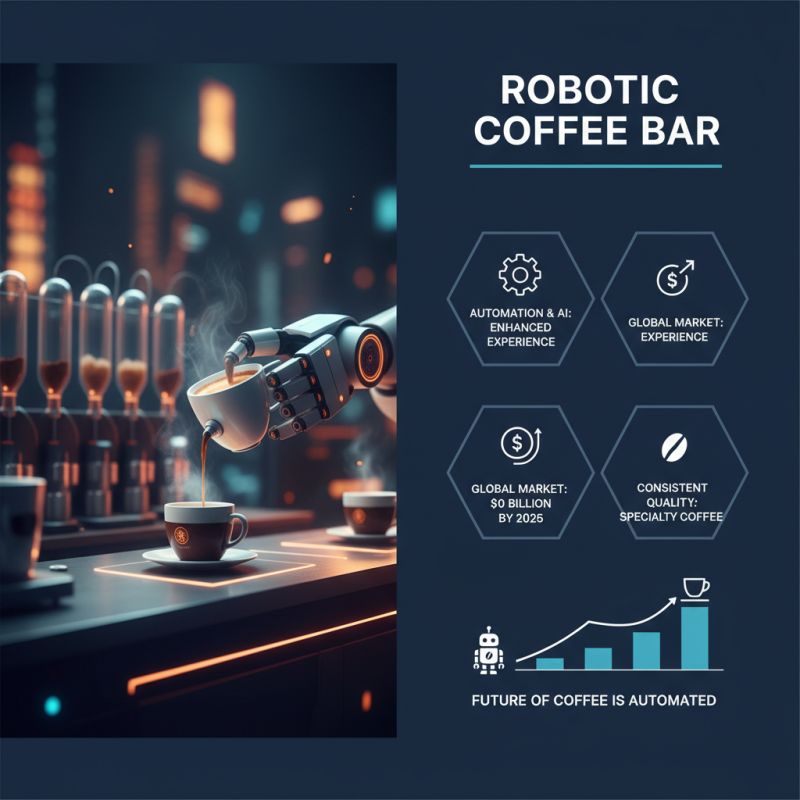
In recent years, the coffee industry has seen a significant transformation driven by technology and automation. The emergence of the "Robotic Coffee Bar" is at the forefront of this evolution, redefining the way consumers experience their favorite beverages. According to a report by Technavio, the global coffee shop market is projected to reach a value of $237 billion by 2025, indicating a growing demand for innovative solutions that cater to the preferences of modern coffee drinkers. Robotic systems are poised to exploit this trend, offering enhanced efficiency and consistency in beverage preparation.
Robotic Coffee Bars utilize advanced robotics and artificial intelligence to deliver a seamless customer experience. These automated setups not only streamline the process of beverage preparation but also minimize wait times and reduce operational costs. A report from the International Journal of Hospitality Management highlights that automation in the food and beverage sector can lead to a 20% reduction in labor costs while increasing output and customer satisfaction levels. As consumers seek convenience and speed, the integration of robotics in coffee service serves as an attractive solution to meet these demands.
The rise of the Robotic Coffee Bar theme is not merely a novelty; it represents a significant shift toward a more tech-driven future in the hospitality sector. With the increasing reliance on automation and smart technology, the coffee industry is likely to see further advancements that create a harmonious blend of traditional craft and modern efficiency. As this trend continues, it will be exciting to observe how businesses adapt to maintain both quality and innovation in serving the world's favorite beverage.
Definition and Concept of a Robotic Coffee Bar
A robotic coffee bar is an innovative fusion of technology and coffee culture, designed to enhance the customer experience while streamlining the brewing process. At its core, a robotic coffee bar utilizes advanced automation and artificial intelligence to prepare a variety of coffee beverages. According to industry reports, the global coffee machine market is forecasted to reach $10 billion by 2025, driven largely by developments in automation and robotics. These setups not only reduce labor costs but also maintain a consistent quality of drinks, catering to the growing demand for specialty coffee.
In these robotic systems, various components such as grinders, brewers, and dispensers are meticulously coordinated to create a seamless experience from order to delivery. Customers interact through touch screens or mobile apps, customizing their drinks to suit their tastes. This infusion of technology has resulted in faster service times, often reducing wait times to mere minutes. A recent study indicated that 60% of consumers would be more inclined to visit establishments featuring robotic solutions, highlighting the appeal of innovation in the café sector.
Tips for enjoying the experience at a robotic coffee bar include exploring the menu thoroughly, as many bars offer unique specialty drinks that might not be available at traditional coffee shops. Additionally, take advantage of customization options to create your perfect brew, experimenting with different flavors and styles that can be programmed into the machine. Lastly, don’t hesitate to ask about how the technology works—many robotic coffee bars are eager to share insights on their innovative processes!
Key Components of a Robotic Coffee Bar System
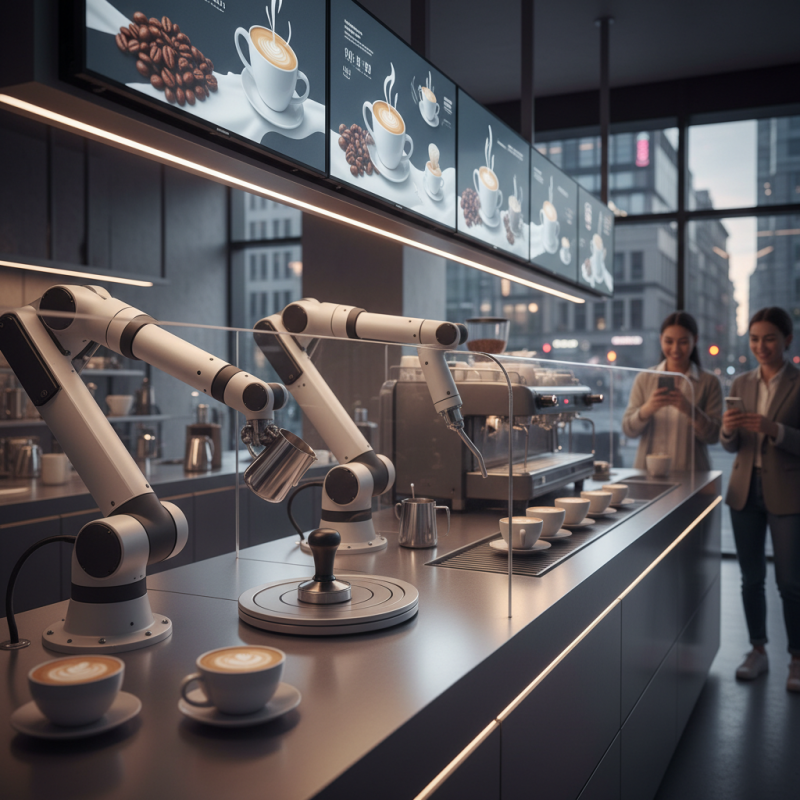
A Robotic Coffee Bar system integrates advanced technology to streamline the coffee-making process, ensuring efficiency and consistency in beverage preparation. The core components of such a system typically include automation equipment, a user interface, and brewing mechanisms. Automation equipment consists of robotic arms and devices designed to handle coffee beans, milk, and other ingredients, effectively replicating the intricate movements of a skilled barista. This technology allows for precise portioning and consistent quality with every cup served.
The user interface is another vital element, providing a seamless experience for customers. It often features touchscreen displays or mobile app connectivity, allowing users to customize their orders according to personal preferences. Through this interface, customers can choose their desired coffee type, strength, and additional toppings, facilitating a tailored experience. Additionally, the brewing mechanisms are crafted to maintain optimal temperatures and extraction times, ensuring that each cup of coffee meets high standards of flavor and aroma. Together, these components create a sophisticated and efficient robotic coffee bar that delivers an exceptional coffee experience.
How Robotic Coffee Bars Operate: Step-by-Step Process
Robotic coffee bars are revolutionizing the way we enjoy our daily caffeine fix. The process begins when a customer interacts with a touchscreen interface or mobile app to place their order, selecting from a variety of coffee options and customizations. According to a report by MarketsandMarkets, the global robotic coffee machine market is expected to reach USD 3.5 billion by 2025, driven by the increasing demand for automation in the food and beverage industry. This interaction sets off a chain of events, where the system’s integrated software processes the order and prepares it for the robotic arms to execute.
Once the order is processed, the robotic arms spring into action. They are programmed with precise movements and equipped with sensors to ensure accuracy in coffee preparation. For instance, they can grind fresh beans, measure out the right quantities, and brew the coffee to the desired strength. Industry analysts estimate that these robotic systems can complete a drink in half the time of traditional baristas, providing consistency and efficiency, which is particularly beneficial in high-traffic locations. As the drink is being prepared, customers can seamlessly monitor their order’s status via the digital interface, enhancing the overall experience. This innovative approach not only streamlines operations but also reduces labor costs, making robotic coffee bars an attractive option for businesses looking to stay competitive in a rapidly evolving market.
Advantages of Using Robotic Coffee Bars in Coffee Service
Robotic coffee bars are revolutionizing the coffee service industry by offering a range of advantages that appeal to both consumers and operators. One significant benefit is efficiency. These automated systems can prepare and serve coffee at a rapid pace, drastically reducing wait times for customers. This is particularly beneficial in high-traffic areas, where traditional baristas may struggle to keep up with demand. By harnessing advanced technology, robotic coffee bars ensure that each cup is brewed consistently, maintaining the quality expected from a great cup of coffee.
Another advantage is the reduction of operational costs. With robotic systems, businesses can lower labor expenses and reduce human error. This not only streamlines the workflow but also minimizes the need for extensive training, allowing staff to focus on other important areas within the cafe, such as customer service and ambiance. Additionally, these robotic setups can operate continuously, providing customers with access to fresh coffee around the clock, which enhances overall satisfaction. Overall, the integration of robotic coffee bars represents a shift towards innovation and efficiency in coffee service.
Future Trends and Developments in Robotic Coffee Bar Technology
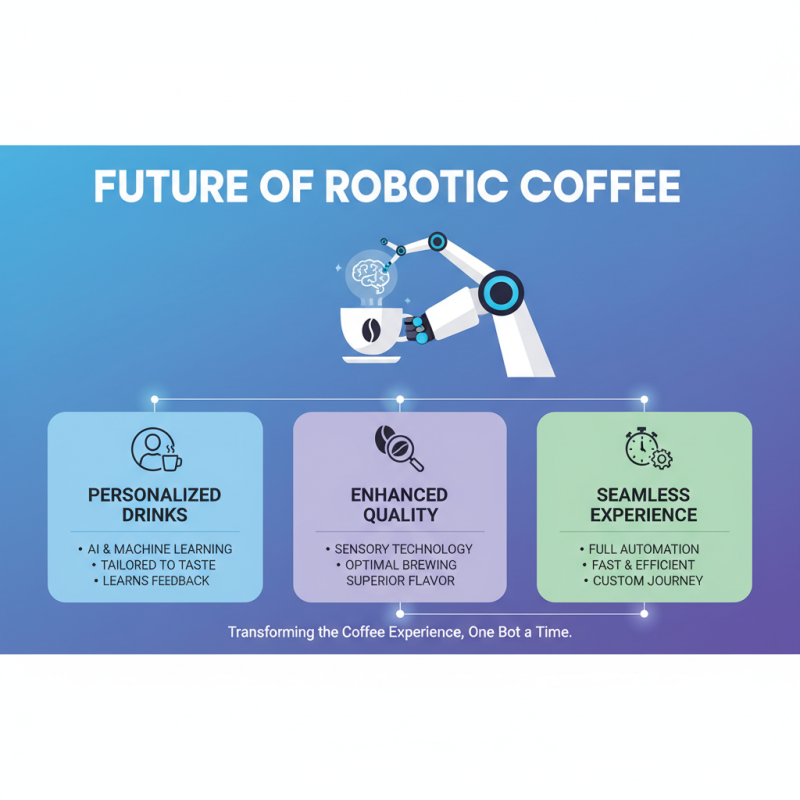
The future of robotic coffee bar technology is poised for exciting advancements that promise to transform the coffee-drinking experience. As automation and artificial intelligence continue to evolve, we are likely to see robotic systems that can tailor beverages to individual preferences with unparalleled precision. These systems may leverage machine learning to analyze user feedback and refine their offerings, thereby creating a personalized coffee journey for every customer. Furthermore, advancements in sensory technology could enable robots to gauge the quality of coffee beans and ensure optimal brewing conditions, enhancing the overall flavor profile of the beverages.
Emerging trends also indicate a shift toward more interactive and engaging robotic coffee bars. Future designs may incorporate customer-facing screens that allow users to customize their drinks visually, choosing from an array of ingredients and styles. The integration of social features could enhance the experience further, allowing coffee enthusiasts to connect and share their favorite brews within a digital community. As robotic coffee bars become more sophisticated, we can expect them to serve not just coffee, but a variety of other beverages and snacks, all prepared with the perfect blend of efficiency and craft. The evolution in this sector signifies a broader trend toward automated food and beverage services, reflecting changing consumer preferences for convenience and personalization.